
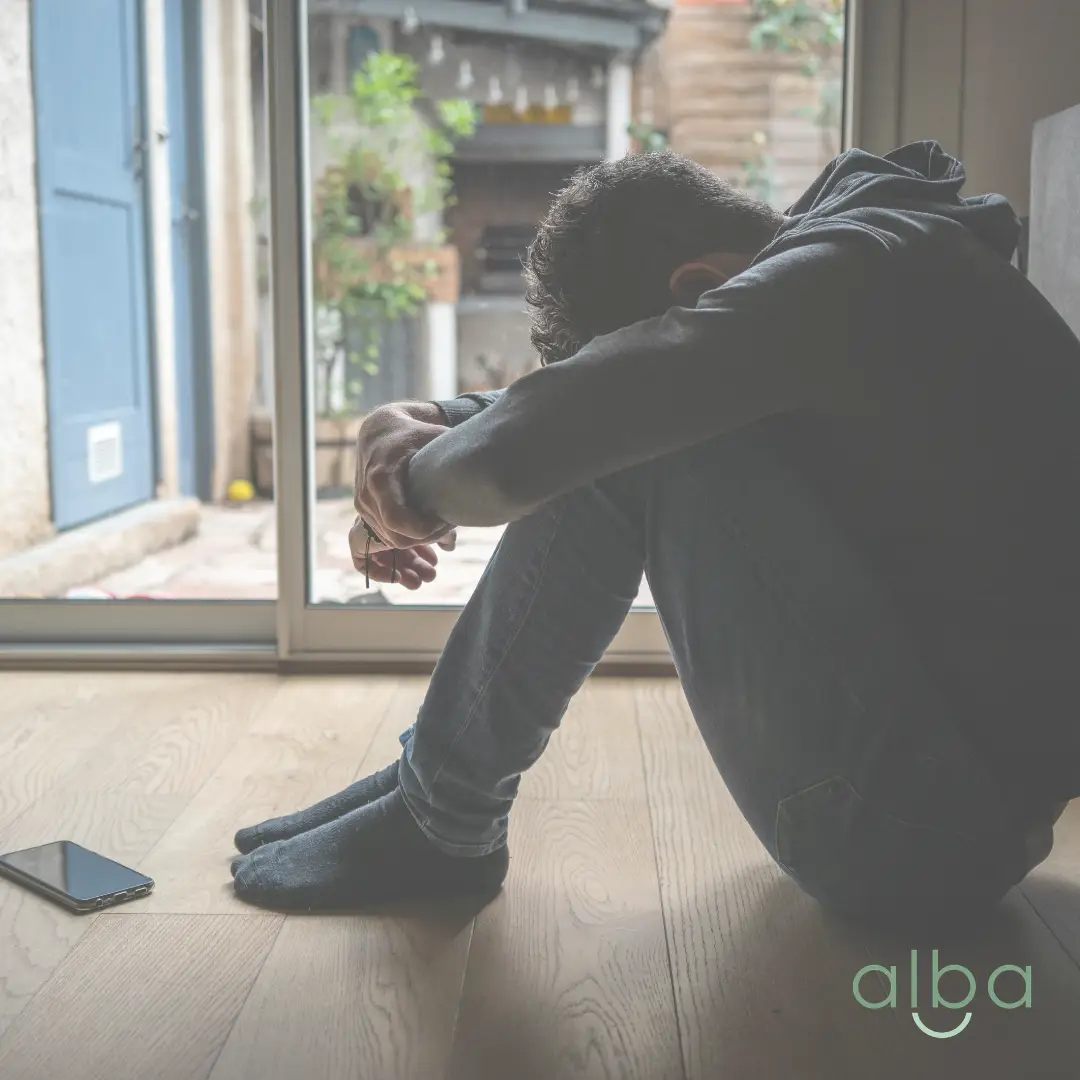
Men are dying by suicide at nearly four times the rate of women. They are less likely to seek help for depression, anxiety, or emotional distress. And yet, men’s mental health remains one of the most underdiscussed topics in healthcare.
This is not because men do not struggle. It is because many of them have been told, in subtle and not-so-subtle ways, that struggling is something they should handle alone.
At Alba Wellness, we work with individuals navigating anxiety, depression, trauma, and life transitions. We see firsthand how the stigma around men’s mental health creates barriers that keep people from getting the support they deserve. This article is for the men who are quietly carrying something heavy, and for the people in their lives who want to understand what they are up against.
Men’s Mental Health by the Numbers
The data on men’s mental health is striking, and it tells a story of a population in real distress that is not receiving adequate care.
| Statistic | Source |
| Men die by suicide at 3.9 times the rate of women | CDC, 2022 |
| Only 1 in 3 adults receiving mental health services is male | SAMHSA, 2021 |
| Men are 40% less likely than women to seek mental health treatment in any given year | APA, 2021 |
| About 6 million men in the U.S. are affected by depression annually, yet it remains largely underdiagnosed | NIMH |
| Men account for nearly 80% of all suicides in the United States | AFSP, 2022 |
| Male veterans are 1.5 times more likely to die by suicide than non-veteran males | VA National Veteran Suicide Prevention Report, 2023 |
These numbers represent real people. Brothers, fathers, partners, and friends who are suffering in silence because asking for help has not felt like an option.
Where Does the Stigma Come From?
The stigma around men’s mental health does not appear out of nowhere. It is shaped by deeply ingrained cultural messages that begin in childhood and persist throughout adult life.
Traditional Masculinity Norms
Boys are often taught, directly or indirectly, that strength means emotional self-sufficiency. Phrases like “man up,” “boys don’t cry,” and “toughen up” send a clear message: vulnerability is weakness. Over time, these messages become internalized, making it genuinely difficult for many men to identify, express, or even acknowledge emotional pain.
Fear of Being Perceived as Weak
Even when men recognize that something is wrong, fear of judgment can stop them from seeking support. A 2021 survey by the American Psychological Association found that many men report concerns about how others would perceive them if they sought mental health treatment. Appearing vulnerable, especially in workplace or social settings, can feel like a threat to professional and personal identity.
Mental Health Literacy Gaps
Many men simply do not recognize the symptoms of depression or anxiety in themselves. Mental health education has historically been more accessible to women, and men may interpret emotional symptoms as physical ones: fatigue, irritability, headaches, or stomach problems, rather than signs of a mental health condition.
A Healthcare System That Has Not Always Reached Men
Men are less likely to have regular interactions with healthcare providers of any kind. Without routine check-ins or established relationships with care professionals, mental health concerns often go undetected for far longer than they should.
How Men’s Mental Health Struggles Often Show Up Differently
One of the reasons men’s mental health goes undiagnosed is that symptoms often present differently than the textbook descriptions built around research conducted primarily on women.
Men experiencing depression or anxiety may not report sadness or tearfulness. Instead, they may show:
- Increased irritability, anger, or aggressiveness
- Risk-taking behavior or recklessness
- Substance use as a coping mechanism
- Withdrawal from friends, family, and activities they once enjoyed
- Difficulty sleeping or significant changes in energy
- Physical symptoms like chronic pain, headaches, or digestive issues
- Overworking or excessive focus on productivity to avoid emotional discomfort
- Cynicism or a persistent sense of hopelessness
Recognizing these signs, both in yourself and in the men around you, is a critical step in getting the right help at the right time.
The Cost of Staying Silent
When men avoid addressing their mental health, the consequences extend well beyond their own emotional experience. Research consistently shows that untreated mental health conditions in men affect their physical health, their relationships, their work performance, and their longevity.
According to the World Health Organization, depression is a leading cause of disability worldwide and is a major contributor to cardiovascular disease, which disproportionately affects men. The link between mental and physical health is not abstract; it is physiological.
Men who do not seek treatment are also more likely to rely on alcohol and other substances to manage emotional pain. The National Institute on Alcohol Abuse and Alcoholism reports that men are nearly twice as likely as women to engage in heavy alcohol use, which often coexists with, and worsens, depression and anxiety.
And then there is the impact on the people around them. Fathers, partners, sons, and colleagues who are suffering silently affect the emotional climate of their families and communities. The silence is never truly private.
What Therapy Actually Looks Like for Men
One of the most persistent myths about therapy is that it requires men to sit in a room and cry about their feelings. That is not what effective therapy actually looks like, and it is not what most men need or want.
Effective therapy for men tends to be goal-oriented, practical, and focused on skill-building. Many men respond well to approaches that address the specific ways stress, anxiety, and depression are showing up in their day-to-day lives, whether that is difficulty at work, conflict in relationships, sleep problems, or a persistent sense of emptiness.
Evidence-based approaches used in men’s therapy often include:
- Cognitive Behavioral Therapy (CBT): Identifying and reshaping unhelpful thought patterns that fuel anxiety and depression
- Acceptance and Commitment Therapy (ACT): Building psychological flexibility and learning to act in alignment with personal values even under stress
- Mindfulness-Based Approaches: Developing present-moment awareness that reduces reactivity and emotional overwhelm
- Somatic Strategies: Working with how the body holds stress, especially useful for men experiencing physical symptoms
- Solution-Focused Therapy: Setting clear goals and developing concrete strategies for achieving them
Virtual therapy has made accessing this kind of support significantly more practical for men who may be hesitant to walk into a therapist’s office. Online sessions can be taken from home, from a private office, or from a parked car on a lunch break. The format removes many of the logistical barriers that can make the first step feel impossible.
Changing the Conversation Around Men’s Mental Health
Progress is happening, even if slowly. Campaigns like Movember have raised hundreds of millions of dollars for men’s health research and awareness. Athletes, veterans, and public figures are beginning to speak openly about their mental health struggles, helping to normalize the conversation for the men who are watching.
But cultural change takes time, and it is personal, individual conversations that often matter most. If you are worried about a man in your life, here are a few ways to approach it:
- Be direct and specific: Instead of asking “are you okay,” try “I’ve noticed you seem stressed lately. I’m here if you want to talk.”
- Do not make it a crisis: Frame the conversation as normal and ongoing, not as an intervention
- Share your own experiences: Normalizing emotional struggles in your own life can make it easier for him to open up
- Suggest practical options: Mentioning that many therapists offer virtual sessions can reduce the logistical friction of getting started
- Follow up: One conversation is rarely enough. Showing consistent support matters
Frequently Asked Questions
Is therapy effective for men?
Yes. Research consistently shows that therapy is effective for men dealing with depression, anxiety, trauma, and stress. Men who engage in therapy report improved mood, better relationship quality, and greater emotional resilience. The key is finding an approach and a therapist that fit your personality and goals.
Do I need to be in a crisis to start therapy?
No. Therapy is most effective when it is not a last resort. Many men begin therapy because they want to manage stress better, improve their relationships, or simply understand themselves more clearly. You do not have to be at a breaking point to benefit from professional support.
What if I don’t know how to talk about what I’m feeling?
That is exactly what a good therapist is trained to help with. You do not need to arrive with the right words. Many men start sessions by describing what is happening in their life, what is bothering them, or how they have been sleeping, and the rest unfolds naturally from there. You do not have to be ready to have a perfect conversation.
Is online therapy private?
Yes. Reputable telehealth platforms use HIPAA-compliant encryption, meaning your sessions are private and confidential. No one has access to your records without your consent, and your information cannot be shared with your employer, family, or anyone else.
References
Centers for Disease Control and Prevention (CDC). (2022). Suicide data and statistics.
National Institute of Mental Health (NIMH). Depression in men.
American Foundation for Suicide Prevention (AFSP). (2022). Suicide statistics.
U.S. Department of Veterans Affairs. (2023). National Veteran Suicide Prevention Annual Report.
World Health Organization. (2023). Depression fact sheet.
You Do Not Have to Handle This Alone
If something in this article resonated with you, that recognition matters. It takes a certain kind of strength to acknowledge that you need support, and a different kind of courage to do something about it.
At Alba Wellness, we offer compassionate, online therapy for individuals dealing with stress, anxiety, depression, trauma, and life transitions. Our therapists provide practical, goal-focused support in a private, judgment-free environment. We also offer limited in-person sessions at our Universal City, TX location for those who prefer face-to-face care.
Whether you are ready to start therapy or just have questions, we are here. Call (210) 566-1280 or reach out through our online form to schedule a free consultation. Your first step does not have to be a big one.