
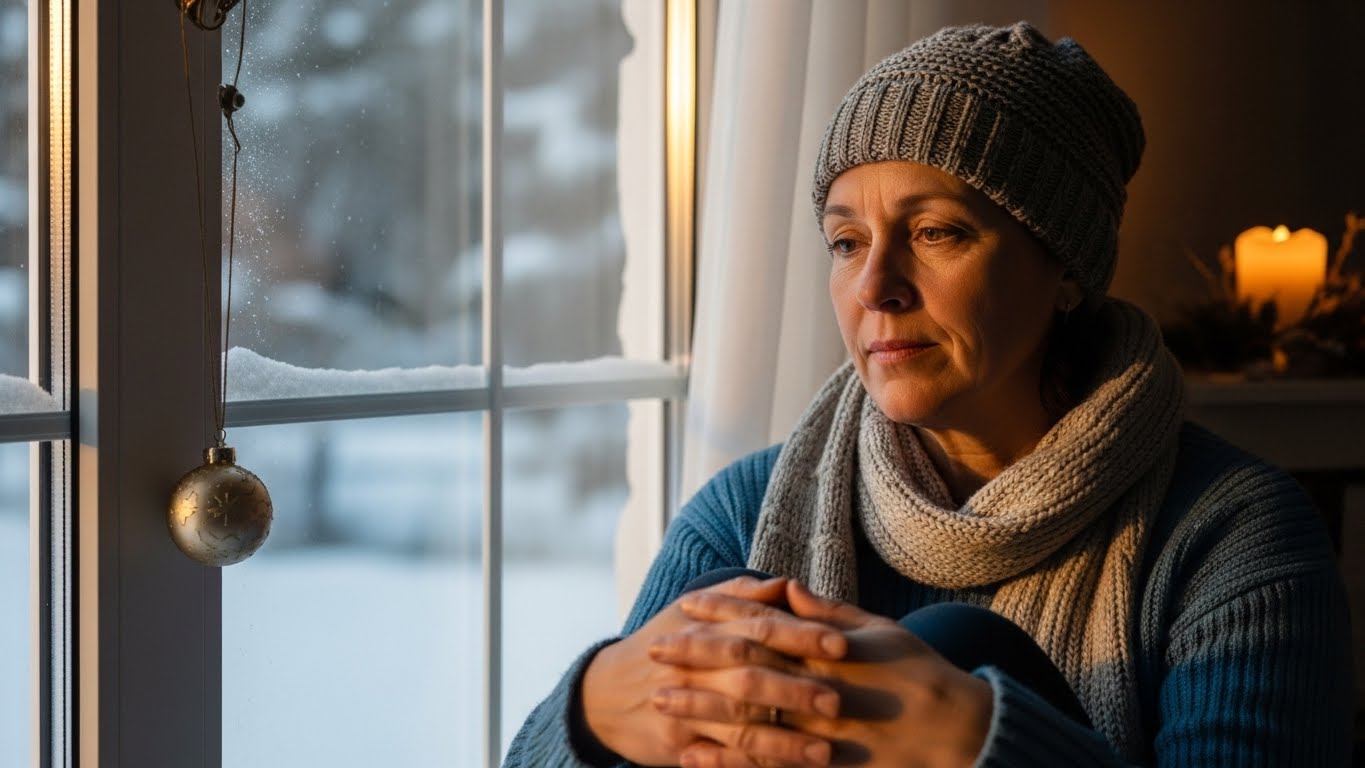
Grief during the holidays is often a heavier emotional experience than at any other time of year. While the season is portrayed as warm, joyful, and connected, many individuals quietly struggle with sadness, longing, or emotional emptiness as memories, traditions, and reminders of loss intensify their pain. This contrast between internal grief and external celebration can create profound loneliness, even for those who are not physically alone. At Alba Wellness, we meet many clients who describe the holiday season as the time when their sadness feels louder, their loss feels closer, and their coping skills feel stretched. Understanding why loneliness peaks during this time can offer clarity, compassion, and a path toward support.
Why Grief During the Holidays Intensifies Feelings of Loneliness
Loneliness is not just about the absence of people. It is the emotional experience of feeling unseen or disconnected, even in the presence of others. For individuals navigating grief during the holidays, this disconnect often sharpens. Research from the American Psychological Association shows that people experiencing acute grief are significantly more likely to report emotional isolation during seasonal events, even when surrounded by family or friends. The holidays can create environments where people feel pressure to appear festive or grateful, which can deepen the sense of being misunderstood or emotionally out of sync.
Factors That Heighten Holiday Loneliness
Several psychological and situational elements contribute to why loneliness peaks during this season. These include:
- Traditions that highlight absence
Holiday rituals often remind individuals of who is missing. Something as simple as an empty seat at the table or the absence of a familiar voice can stir deep emotional pain. - Cultural messaging around happiness
Commercials, music, and social media amplify a narrative of cheerfulness. For someone grieving, these messages can create a painful contrast between their internal state and what they feel they are expected to display externally. - Changes in family dynamics
Loss often shifts roles, responsibilities, and relationships. The holidays spotlight these changes, which can create emotional disorientation. - Reduced daily structure
Many people have time off work or school during the holidays. While this can be restful for some, it can also leave more time for rumination, memories, or emotional overwhelm. - Weather and seasonal impacts
Shorter days and decreased sunlight can worsen depressive symptoms. The National Institute of Mental Health reports that seasonal changes can amplify mood struggles, especially for those already coping with grief.
These factors often merge, creating an environment where grief during the holidays becomes not just a memory of loss but an ongoing emotional experience that feels sharper and more isolating.
What Research Shows About Loneliness and Seasonal Grief
Studies highlight a clear pattern: mental health struggles increase during the holiday months. The National Alliance on Mental Illness reports that 64 percent of people with mental health conditions say that the holidays worsen their symptoms. For those grieving, this effect can be even stronger. A study published in Dialogues in Clinical Neuroscience notes that grief reactions intensify when individuals encounter symbolic reminders of the person they lost. The holidays are filled with such reminders.
Additionally, loneliness itself is not only emotional but physiological. Research from the U.S. Surgeon General’s Advisory on Loneliness and Social Isolation shows that chronic loneliness activates stress responses in the brain, making emotional experiences more intense and more difficult to regulate. This means that grief during the holidays can feel heavier not because individuals are doing something wrong, but because their brains and bodies are reacting to a season rich in emotional triggers.
How Grief and Depression Interact During the Holidays
It is common for grief to overlap with depressive symptoms at this time of year. These may include:
- Persistent sadness or tearfulness
• Difficulty concentrating
• Fatigue or sleep disruptions
• Social withdrawal
• Feelings of guilt, worthlessness, or hopelessness
• Changes in appetite
This overlap does not necessarily mean someone is experiencing clinical depression, but both conditions can feed into each other. When someone feels lonely, their depressive symptoms may intensify. When depressive symptoms rise, loneliness often deepens. This cycle can make the holidays particularly challenging.
Healthy Ways to Cope with Grief During the Holidays
Coping strategies can provide meaningful support, even when grief feels overwhelming. Consider the following approaches:
Give yourself permission to feel what you feel
Suppressing emotions increases emotional pressure. Allowing yourself moments of sadness, reflection, or remembrance creates emotional space for relief.
Create new traditions
You do not have to continue traditions exactly as they were. Some individuals find comfort in adding symbolic acts of remembrance, while others build new rituals that honor healing.
Reduce or refine holiday commitments
It is okay to say no. Protecting your energy prevents emotional exhaustion and resentment.
Reach out to others intentionally
Even one meaningful connection can lessen loneliness. This might involve a friend, a support group, or a therapist.
Seek professional support
Grief during the holidays can be complex, especially when loneliness peaks. Therapy can create a compassionate space to process your emotions, understand your reactions, and build sustainable coping strategies.
Q&A: Common Questions About Grief During the Holidays
Is it normal for grief to feel stronger years after a loss during the holidays?
Yes. Holiday reminders activate emotional memories, and it is common for feelings to resurface even long after the initial loss.
What if I feel lonely even when surrounded by people?
Emotional loneliness is common in grief. You may feel disconnected because others do not fully understand your loss or because the holidays highlight the absence of someone important to you.
How do I know when to seek therapy?
If grief during the holidays is affecting your daily functioning, relationships, or ability to cope, professional support can help you regain stability.
When Grief Feels Too Heavy, Alba Wellness Can Help
If you are experiencing grief during the holidays or noticing that loneliness is peaking in ways that feel unmanageable, you do not have to navigate it alone. Alba Wellness offers compassionate, accessible online therapy that allows you to receive support from the comfort of your home. Our licensed therapists understand the unique emotional challenges this season brings and are here to walk with you through the heaviness, with care and without judgment.
Reaching out for support is a meaningful step toward healing. If you are ready to talk, Alba Wellness is here when you need someone to listen.